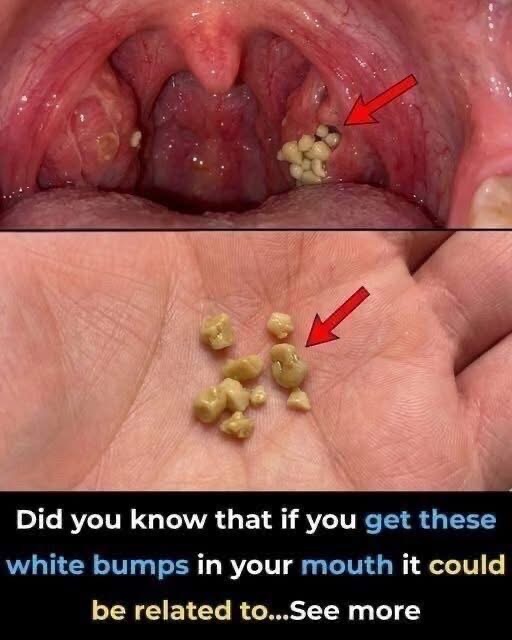
Tonsil stones, medically referred to as tonsilloliths or sometimes called caseum, are small, hardened formations that develop within the tonsils. These structures are part of the body’s immune system and are located at the back of the throat, where they help trap and fight bacteria, viruses, and other harmful particles that enter through the mouth or nose. While the tonsils serve an important protective role, their natural structure—filled with tiny folds, pits, and crevices known as crypts—can also make them a place where debris collects over time.
Tonsil stones form when materials such as food particles, dead cells, mucus, and bacteria become trapped in these crypts. Normally, this debris is cleared away through swallowing, saliva flow, and regular oral hygiene. However, in some cases, the particles remain lodged in the tonsils. Over time, they begin to accumulate and compact together. Minerals like calcium can then deposit around this buildup, gradually hardening it into small, stone-like formations. These can range in size from tiny, barely noticeable specks to larger, more visible lumps.
Although tonsil stones are generally not considered dangerous, they can cause a variety of uncomfortable and sometimes frustrating symptoms. One of the most common complaints associated with tonsil stones is persistent bad breath, also known as halitosis. This occurs because the bacteria trapped within the stones produce sulfur compounds, which have a strong, unpleasant odor. Even with regular brushing and mouthwash use, this odor can persist if the stones are not addressed directly.
Another common symptom is the sensation of something being stuck in the throat. People often describe it as a feeling of a foreign object or a constant need to swallow or clear the throat. This sensation can become particularly noticeable when the stones are larger or positioned in a way that makes them more prominent. In some cases, individuals may also experience mild to moderate discomfort or pain when swallowing, especially if the surrounding tissue becomes irritated.
Tonsil Stones Explained: Learn what tonsil stones are, why they form in the throat
Related Posts

For Fifty Years She Lived Alone on the Eighth Floor Without a Smile—But After Her Death, What I Discovered Inside Her Apartment Changed Everything
For as long as I had lived in that building, she had been there—an unmoving…

A Simple Kitchen Task, A Lasting Lesson: Turning Food Safety into Family Connection
Everyday routines can carry more meaning than we expect, especially when they involve time with…

Find Paperclip, Ruler, Leaf, Spoon.
At first glance, this picture looks ordinary, but don’t be fooled. Hidden within it are…