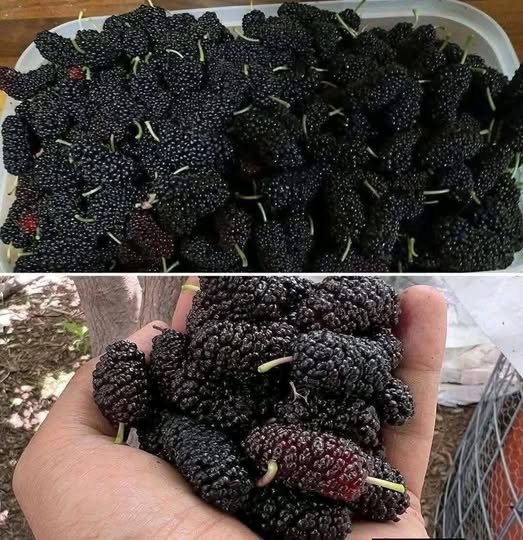
Fresh mulberries are frequently overlooked, yet they are among the most rewarding fruits found in nature. Unlike mainstream berries like strawberries or blueberries, mulberries are rarely found in grocery stores because they are incredibly delicate; their soft structure makes them nearly impossible to transport without damage. Consequently, the best way to experience them is fresh from the tree, where their flavor—a juicy, sweet blend often described as a mellow mix of blackberry and raspberry—is at its peak.
Beyond their unique taste, mulberries are a nutritional powerhouse. They are packed with antioxidants, which protect cells from damage, and are high in Vitamin C for immune support. They also provide essential iron for energy and dietary fiber for digestive health. Notably, they contain plant compounds that help manage blood sugar, making them a healthy, low-calorie alternative to processed sweets.
The mulberry tree also holds significant cultural and historical value. For thousands of years, its leaves have been the sole food source for silkworms, fueling the global silk industry. In the kitchen, the fruit is surprisingly versatile; while best eaten raw, mulberries can be transformed into jams, syrups, smoothies, or dried snacks to extend their short seasonal window.
Ultimately, the mulberry serves as a reminder to appreciate the natural world around us. Because they grow freely in backyards and along streets, they are a sustainable, accessible resource that requires no chemical intervention. Trying a mulberry is more than just tasting a fruit—it is a mindful, nostalgic act that connects us to nature’s simple, unadvertised treasures. If you encounter a tree during its brief season, taking a moment to sample the fruit can offer a refreshing and authentic experience that store-bought options simply cannot match.