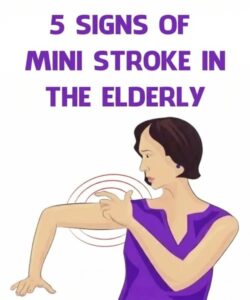
A mini-stroke can happen without warning and disappear just as quickly, leaving many older adults thinking it was nothing serious. Sudden weakness, dizziness, confusion, trouble speaking, or numbness on one side of the body may last only a few minutes before fading away. Despite the short duration, doctors warn this could be a major red flag for a future stroke.
Known medically as a transient ischemic attack, a mini-stroke happens when blood flow to part of the brain is briefly blocked. Unlike a full stroke, the blockage clears before permanent brain damage occurs, but experts say the danger should never be underestimated. In many cases, a mini-stroke is the body’s final warning before a much more serious medical emergency.
Many seniors mistake the symptoms for exhaustion, dehydration, stress, or simply getting older. However, specialists stress that sudden face drooping, arm weakness, slurred speech, blurred vision, balance problems, or confusion should always be treated as urgent warning signs.
Health professionals explain that age-related changes in blood vessels increase the risk, especially for people dealing with high blood pressure, diabetes, high cholesterol, smoking, or heart conditions like atrial fibrillation. Fatty buildup inside arteries can reduce blood flow and allow small clots to temporarily block circulation to the brain.
Doctors say the risk of suffering a full stroke becomes especially high during the first two days after a mini-stroke. Because of this, immediate medical attention is strongly recommended even if symptoms disappear quickly.
Testing after a suspected mini-stroke may include brain scans, blood tests, heart monitoring, and checks for blocked arteries. Treatment often focuses on preventing future strokes through medications, healthier eating, exercise, blood pressure control, and quitting smoking.
Medical experts continue to emphasize the importance of acting fast. Recognizing symptoms early and seeking emergency care immediately could prevent permanent disability or even save a life.