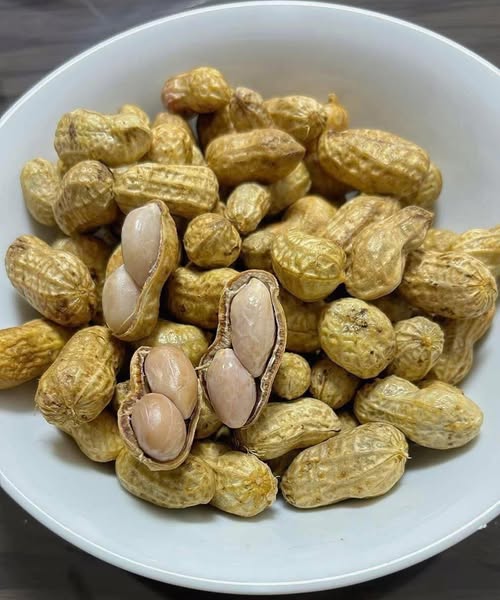
As people age, nutritional needs change, and maintaining a balanced diet becomes essential for supporting energy, muscle health, and overall well-being. Peanuts, despite their small size, can be a highly nutritious and affordable addition to the diet of older adults when consumed in appropriate portions.
One of the key benefits of peanuts is their high content of healthy fats, particularly monounsaturated and polyunsaturated fats. These fats support heart health by helping to manage cholesterol levels, which is especially important for older adults who may be at higher risk of cardiovascular disease.
Peanuts are also an excellent source of plant-based protein. Protein is essential for maintaining muscle mass, which naturally declines with age. Including sufficient protein in the diet can help support strength, mobility, and recovery from illness or injury.
In addition, peanuts provide important vitamins and minerals such as vitamin E, magnesium, folate, and niacin. Vitamin E acts as an antioxidant, helping protect cells from oxidative stress. Magnesium supports bone health and muscle function, while folate and niacin contribute to energy production and overall metabolic health.
Another benefit is their fiber content. Dietary fiber supports digestive health and can help prevent constipation, a common concern among older adults. Fiber also plays a role in stabilizing blood sugar levels, which is important for those managing diabetes or prediabetes.
Peanuts are also calorie-dense, meaning they provide a significant amount of energy in a small serving. This can be helpful for older adults who may have reduced appetite or difficulty consuming large meals.
However, moderation is important. Because peanuts are high in calories, portion control is key to avoiding unwanted weight gain. It is also important to choose unsalted or lightly salted varieties to reduce sodium intake, which supports better blood pressure management.
For those with chewing difficulties, peanut butter or finely ground peanut products can be easier alternatives while still offering similar nutritional benefits.
Overall, peanuts can be a simple, versatile, and nutrient-rich food that supports many aspects of health in older adults when included thoughtfully as part of a balanced diet.