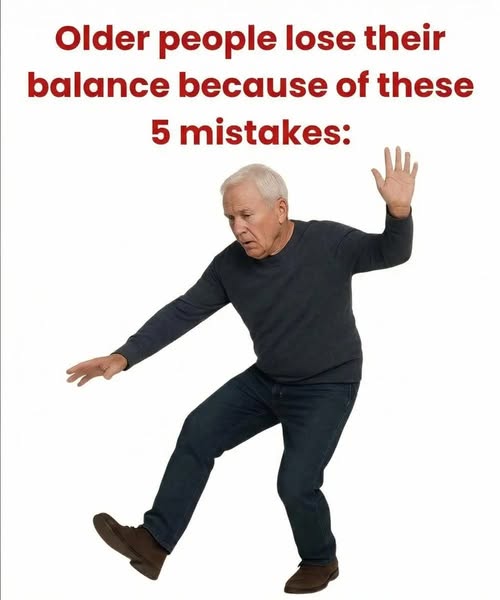
Many people experience changes in balance so gradually that they begin to believe feeling less steady is just a normal part of aging. Simple situations such as holding onto railings, feeling cautious on uneven surfaces, or becoming more aware of slipping risks can slowly reduce confidence in everyday movement. Although aging can affect strength and coordination, balance difficulties are often influenced by daily habits that build up over time. The good news is that small lifestyle changes can improve stability, strengthen mobility, and lower the risk of falls without requiring extreme exercise or major lifestyle overhauls.
One major cause of reduced balance is a lack of regular movement. Spending long hours sitting or limiting physical activity can weaken the muscles in the legs, core, and back that help keep the body stable. Gentle activities like walking, stretching, yoga, tai chi, or light resistance exercises can slowly improve coordination, flexibility, and body awareness. Regular practice is more important than intensity. Wearing supportive shoes also plays an important role, since footwear with good support and stable soles can make movement safer both inside and outdoors.
Hydration and nutrition also have a stronger impact on balance than many people expect. Not drinking enough water, skipping meals, or lacking proper nutrition may lead to weakness, dizziness, or low energy that affects coordination throughout the day. Maintaining balanced meals that include protein, fruits, vegetables, and whole grains helps support muscle health and steady energy levels. Vision and hearing are equally important because they help the brain process body position and movement. Routine eye exams, updated prescriptions, and hearing assistance when necessary can improve awareness and confidence during daily activities.
Making the home environment safer is another effective way to support stability. Loose carpets, poor lighting, cluttered walkways, and unstable furniture can increase the chance of trips and falls. Simple improvements such as securing rugs, clearing pathways, adding better lighting, installing grab bars, and reducing slippery surfaces can help daily movement feel more secure and comfortable. Improving balance is rarely about dramatic changes; it usually comes from small, consistent habits that build strength, confidence, and safer movement over time.