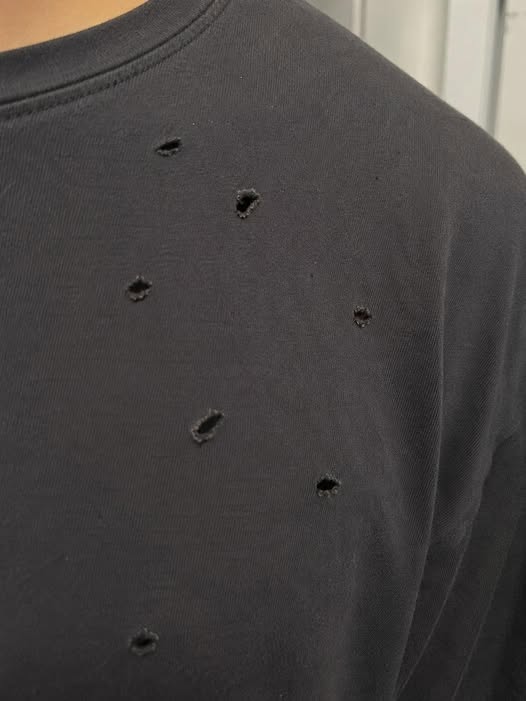
Few household frustrations are as puzzling as discovering tiny holes in clothing that seemed perfectly fine before washing. Many people immediately suspect poor fabric quality or a problem with their laundry appliances, yet the cause is often linked to everyday habits that go unnoticed. Understanding where this wear comes from can help extend the life of favorite garments and reduce the need for frequent replacements.
In many cases, repeated friction is the primary source of the problem. Clothing experiences constant contact with other garments, zippers, buttons, and hardware during wash and dry cycles. Over time, these small points of contact can weaken fibers, especially in lightweight fabrics. Certain washing machine designs may also contribute to additional stress on delicate materials, causing gradual wear that only becomes visible after multiple cycles.
Fortunately, a few simple adjustments can make a meaningful difference. Turning garments inside out before washing helps protect visible surfaces from unnecessary abrasion. Using mesh laundry bags for delicate items provides an added layer of protection, while separating heavier fabrics such as jeans and jackets from lighter shirts can reduce friction. Paying attention to load size is equally important, as overcrowded machines can increase pressure and fabric-to-fabric contact.
The good news is that preventing premature wear does not require expensive products or complicated routines. Small changes in laundry habits can significantly improve the longevity of clothing and help keep fabrics looking their best. By taking a more thoughtful approach to washing and drying, households can preserve the appearance of their favorite garments while avoiding the mystery of unexpected holes appearing over time.