Sarcopenia, the progressive and involuntary loss of skeletal muscle mass, strength, and function that typically begins accelerating after the age of 40, has emerged as one of the most significant yet underrecognized health challenges of our aging population. This condition affects millions worldwide, contributing to frailty, increased risk of falls, loss of independence, prolonged hospital stays, and higher mortality rates among older adults. While many people associate muscle loss solely with getting older, the reality is far more complex, involving a combination of biological, lifestyle, nutritional, and hormonal factors that can be slowed, halted, or even partially reversed with the right interventions. In this comprehensive guide, we explore the underlying mechanisms driving sarcopenia, the warning signs that often go unnoticed until significant damage has occurred, and the most effective, evidence-based strategies to combat it. Understanding sarcopenia is no longer optional for those who want to maintain mobility, metabolic health, and quality of life well into their 70s, 80s, and beyond. Recent research from leading institutions shows that proactive management can preserve 50% or more of muscle mass that would otherwise be lost, dramatically improving daily functioning and reducing healthcare costs. From the cellular level where muscle fibers atrophy and inflammation rises to the practical daily habits that either accelerate or protect against this decline, sarcopenia represents both a natural part of aging and a modifiable condition that responds remarkably well to targeted lifestyle changes.
Sarcopenia: Why We Lose Muscle Mass After 40

The primary causes of sarcopenia are deeply rooted in the aging process itself, beginning with anabolic resistance, where muscles become less responsive to protein and exercise stimuli that once easily built and maintained tissue. After age 30, adults lose approximately 3-8% of muscle mass per decade, with the rate accelerating sharply after 60. Hormonal changes play a critical role: declining levels of testosterone, growth hormone, insulin-like growth factor-1 (IGF-1), and estrogen in women contribute to reduced muscle protein synthesis. Chronic low-grade inflammation, often called “inflammaging,” further promotes muscle breakdown through elevated cytokines like TNF-alpha and IL-6. Inactivity is perhaps the most preventable accelerator — prolonged sitting and lack of resistance training cause rapid muscle atrophy, with studies showing that even short periods of bed rest can result in 1-2% muscle loss per day. Poor nutrition, particularly inadequate protein intake (many older adults consume less than 1.0g per kg of body weight daily when 1.2-2.0g is often needed), vitamin D deficiency, and insufficient calories create an environment where the body prioritizes survival over muscle maintenance. Additional contributing factors include neurological decline affecting motor neurons, mitochondrial dysfunction reducing cellular energy production, and certain medications like statins or corticosteroids that can exacerbate muscle wasting. Genetic predisposition, chronic diseases such as diabetes, kidney disease, and cancer, as well as oxidative stress from free radicals, all compound the problem. Recognizing these interconnected causes is the first step toward effective prevention and treatment.
Related Posts

What red circular skin marks could mean and the warning signs you shouldn’t ignore
Sleeping with the wrong person can lead to emotional turmoil that lingers long after the…
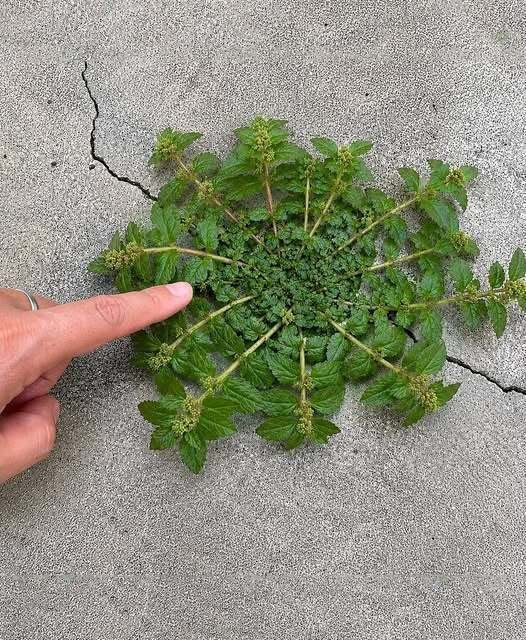
The Overlooked Backyard Herb Linked to Traditional Wellness
Many people remove wild plants from gardens without ever learning their history or traditional uses.…

Teacher’s Arrest Stuns School After Teen Relationship Revealed
An Indiana kindergarten teacher admitted to engaging in a sexual relationship with a teenage student.…