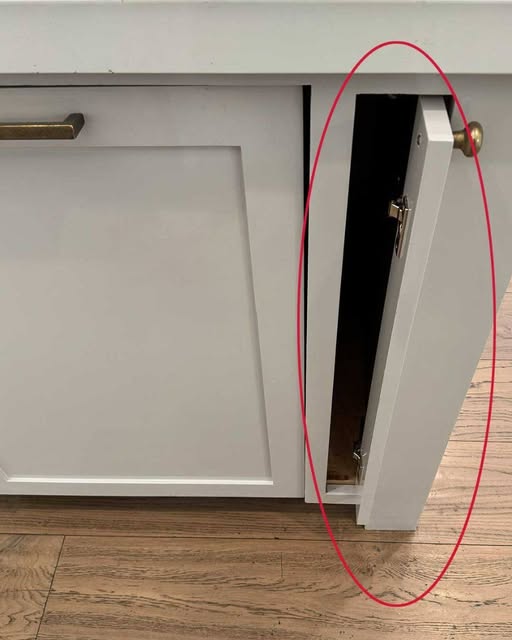
At first glance, a narrow sliver of space between a stove and a cabinet looks like nothing more than a construction oversight—an irritating gap where crumbs fall, utensils disappear, and dust seems magnetically drawn. For decades, homeowners sighed at these awkward little voids, recognizing them as the inevitable byproduct of fitting standardized appliances into imperfect floor plans. They were tolerated, but never embraced. After all, what could possibly fit in three or four inches of unused space?But modern kitchen design has a way of surprising us. What once appeared to be a useless piece of real estate has been reimagined into one of the most efficient and innovative storage solutions available today: the narrow cabinet filler pull-out. This slender, deceptively simple invention has reshaped how homeowners think about tight spaces, efficiency, and the real meaning of functional design.
The result? A newfound respect for spaces we once ignored.
A Hidden Gem in Modern KitchensIf you’ve never seen a filler pull-out before, it’s easy to mistake it for a decorative trim piece. When closed, the panel blends seamlessly with the rest of the cabinetry. It doesn’t demand attention. It doesn’t look like a cabinet. In fact, most guests won’t realize it opens at all—until someone pulls it out.
With a gentle tug, the slim panel slides out on full-extension runners, revealing storage shelves, wire racks, trays, or compartments designed with surprising precision. Oils, spices, baking sheets, cutting boards, cleaners, tins, and jars all suddenly have a perfect home. Items that normally clutter counters or crowd deeper cabinets now stand organized and easily accessible.
It has become a quiet revolution in kitchen layout: a tiny cabinet that dramatically improves workflow, accessibility, and organization.
Why Tiny Gaps Became a Big Problem
The history of filler space stems from a practical issue. Appliances come in standardized sizes—30-inch ranges, 24-inch dishwashers, 36-inch fridges. Kitchens, however, do not always cooperate. Walls are often uneven, plumbing poses obstacles, and layout changes over time can create new spacing challenges. When everything is installed, leftover inches appear in places no one expects.
Traditionally, designers filled those spaces with static pieces called “fillers”—decorative strips meant to visually blend cabinetry and hide gaps. These fillers did nothing except maintain aesthetic continuity.
They served no purpose. They held no items. They collected dust.
So when homeowners first encountered narrow pull-outs, the reaction was mixed: curiosity, skepticism, amusement, and sometimes doubt. Could such a tiny space really matter? Could something so narrow actually support regular use? Could it make a meaningful difference in the kitchen?
The answer, now widely accepted, is yes.
From Useless Gaps to Purposeful Utility
The transformation from dead space to useful storage began with cabinetmakers trying to solve the frustrations every homeowner voiced: crowded cabinets, inaccessible corners, and cluttered countertops. Why allow even the smallest area to go unused when it could instead support organization?
The filler pull-out solved multiple issues at once:
It used every inch of the kitchen.
It eliminated dark, unreachable “black holes” in deep cabinets.
It kept frequently used items within arm’s reach.
It reduced clutter on visible surfaces.
It created a cleaner look and a more efficient workspace.
It also appealed to a growing cultural trend: maximizing small living spaces. As apartments shrink and minimalism gains ground, the value of micro-storage solutions has grown dramatically.
Engineering That Makes It Possible
Fitting a functional cabinet into a space as narrow as three inches requires precision engineering. Early models struggled—they tipped, jammed, stuck, or couldn’t support weight. But modern systems use:
Full-extension ball-bearing slides
Soft-close mechanisms
Heavy-duty runners
Reinforced frames
Adjustable shelving
These advancements allow pull-outs to glide effortlessly even when loaded with glass bottles, jars, cans, or metal tools. They also ensure the cabinet won’t wobble or derail under pressure.
This level of durability means homeowners no longer have to treat narrow cabinets as fragile novelties—they can use them daily without fear of breakage.
Surprising Internal Flexibility
Despite their slender exterior, the interiors of filler pull-outs are incredibly adaptable. Many models offer:
Adjustable chrome shelves
Stainless steel rails
Tiered spice caddies
Clip-in condiment holders
Vertical dividers
Hooks for utensils or brushes
Deep racks for tall bottles
The ability to customize the layout allows homeowners to tailor the pull-out to their lifestyle. A passionate baker may fill the pull-out with extracts, spices, and baking sheets. A home chef may use it for oils, vinegars, and seasonings positioned right beside the stove. Families may store lunchbox snacks or vitamins. Others may reserve it for cleaning supplies near the sink.
The possibilities are vast, turning what looks like a “useless gap” into one of the most efficient zones in the kitchen.
The Psychology of Visibility and Access
One of the biggest fails of traditional kitchen cabinets is the way small items migrate into inaccessible darkness. Shallow jars roll backward. Small spices fall behind larger containers. Rarely used bottles accumulate dust. And homeowners end up buying duplicates of items they already own simply because they can’t see what’s hiding behind everything else.
A narrow pull-out eliminates this issue completely.
Because everything is stored in a linear layout and slides outward, items stay visible, organized, and easy to reach. Homeowners never have to kneel, stretch, dig, or empty an entire shelf just to find a single jar of cinnamon. This visibility reduces frustration, prevents waste, and supports better kitchen management.
It also dramatically improves ergonomics—no awkward bending, reaching, or digging needed.
Why People Still Think It’s “Wasted Space”
Despite the benefits, many homeowners initially dismiss narrow pull-outs as impractical. The hesitation often comes from:
Not realizing how much fits inside
Viewing the gap as too small to matter
Being unfamiliar with modern hardware technology
Assuming the unit will be flimsy
Underestimating the importance of accessible storage
But once people see the cabinets in action—or install one themselves—those assumptions evaporate.
A three-inch space running the full height and depth of a base cabinet can hold:
20–40 spice jars
10+ tall oil bottles
Dozens of small condiments
Several baking sheets
Cleaning supplies
Tea boxes
Kitchen wraps and foils
Towels and brushes
What once seemed insignificant becomes indispensable.
Durability and Longevity Have Improved Drastically
Early pull-out cabinets, particularly those from the late 20th century, were prone to issues. But modern models have resolved those flaws entirely, using:
Industrial-grade steel runners
Reinforced frames
High-quality ball bearings
Anti-tilt stabilizers
Soft-close dampers
These upgrades mean pull-outs can last years—even decades—with minimal maintenance.