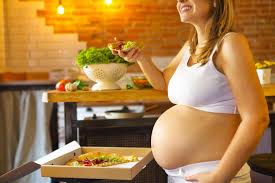
Pregnancy often comes with confusing nutrition advice, and one of the most debated foods is salad. Some claim it is “too risky,” while others say it is one of the best meals for expecting mothers. So what is actually true?
The answer is not as dramatic as viral headlines suggest—but there are important details every pregnant woman should know.
The Truth About Salad and Pregnancy
Salads themselves do not harm pregnancy. In fact, fresh vegetables provide essential nutrients that support both the mother and baby. However, the safety and preparation of salad matter far more than the salad itself.
Unwashed vegetables, contaminated greens, or unsafe toppings can introduce bacteria such as Listeria or E. coli, which can be dangerous during pregnancy. This is where most concerns come from—not the salad, but how it is handled.
Benefits of Eating Salad During Pregnancy
When properly prepared, salad can be extremely beneficial:
Rich in essential nutrients
Leafy greens provide folate, which supports fetal brain and spinal development.
Supports digestion
Fiber-rich vegetables help reduce constipation, a common pregnancy symptom.
Boosts hydration
Many vegetables contain high water content, helping maintain hydration levels.
Provides antioxidants
Ingredients like spinach, tomatoes, and carrots support immune health and reduce inflammation.
Helps healthy weight management
Low-calorie, nutrient-dense meals can support balanced pregnancy weight gain.
Possible Risks (When Not Prepared Properly)
While salads are healthy, certain risks exist if food safety is ignored:
Risk of bacterial contamination
Unwashed lettuce or improperly stored vegetables may carry harmful bacteria.
Deli meats or raw toppings
Adding raw or undercooked ingredients increases the risk of infection.
Unpasteurized dressings or cheese
Some creamy dressings or cheeses may not be safe during pregnancy.
Food poisoning risk
Pregnancy weakens the immune system slightly, making foodborne illness more serious.
The Real Answer Doctors Give
Doctors do not recommend avoiding salads during pregnancy. Instead, they recommend:
- Washing all vegetables thoroughly
- Using fresh, properly stored ingredients
- Avoiding raw or high-risk toppings
- Eating salads prepared in clean, trusted environments
Final Verdict
Salad does not “ruin pregnancy”—this is a myth. When prepared safely, it is actually one of the healthiest meals a pregnant woman can eat. The real issue is food hygiene, not the food itself.
So instead of avoiding salads, the smarter approach is simple: eat them safely, not fearfully.