Ear cleaning is something many people think they understand, but doctors and hearing specialists say it is one of the most commonly misunderstood hygiene habits. While keeping ears clean is important, doing it the wrong way can actually cause more harm than good.
So what is the right approach, and do we even need to clean our ears at all?
Do You Really Need to Clean Your Ears?
In most cases, the answer is: not really.
The ears are designed to clean themselves naturally. Earwax (cerumen) slowly moves from the inside of the ear canal outward, carrying dust, dead skin, and debris with it. This means that for most people, the body already has a built-in cleaning system.
Doctors often warn that trying to “deep clean” the ears can interfere with this natural process.
Why Earwax Is Actually Important
Earwax is not dirt—it has a purpose. It helps:
- Protect the ear canal from dust and bacteria
- Prevent dryness and irritation
- Trap unwanted particles before they reach deeper inside
Without earwax, the ears would be more vulnerable to infection and damage.
The Biggest Mistake People Make
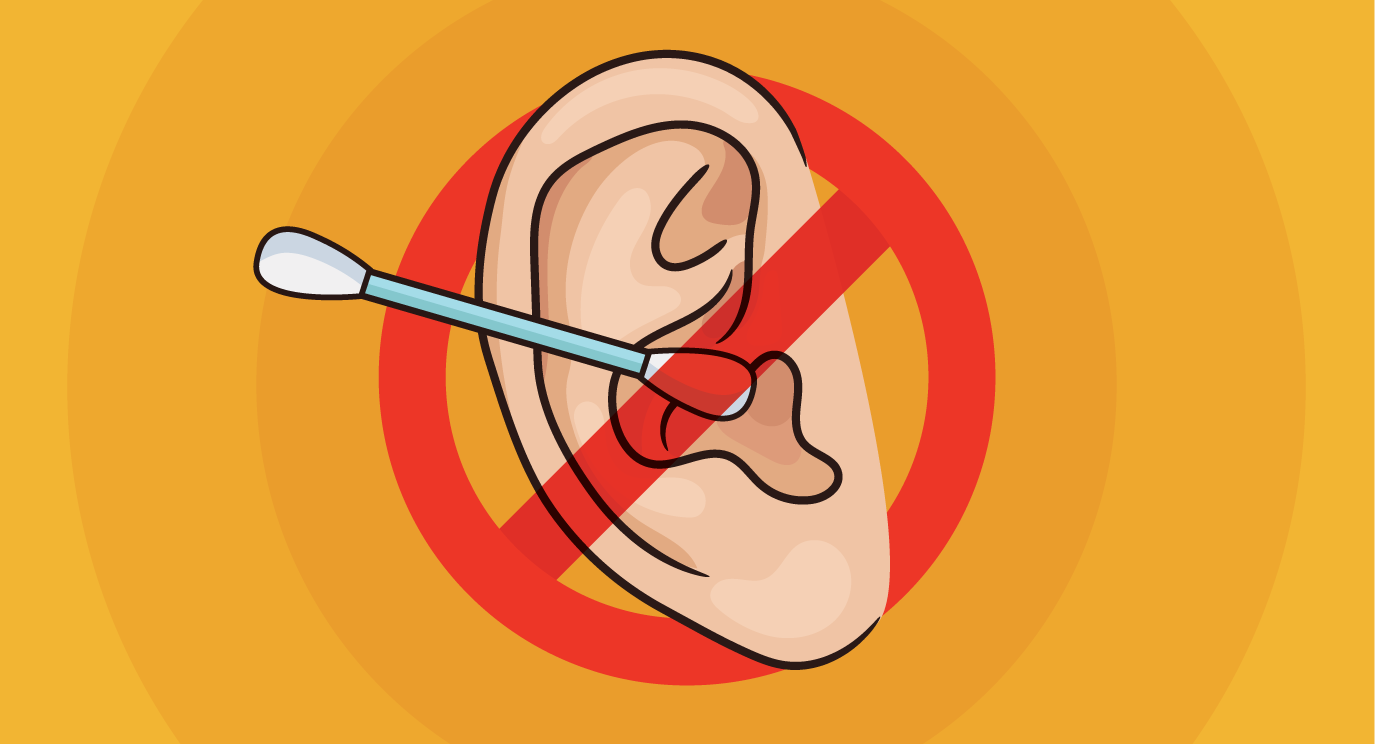
One of the most common mistakes is using cotton swabs or Q-tips to clean inside the ear.
While it may feel like you are cleaning, experts say it often does the opposite:
- Pushes wax deeper into the ear
- Can cause blockages
- May irritate or damage the ear canal
- Increases risk of infection
This is why many health professionals strongly advise avoiding inserting anything into the ear canal.
When Ear Cleaning Is Actually Needed
Although most ears clean themselves, there are cases where buildup can happen. This may cause symptoms such as:
- Feeling of fullness in the ear
- Reduced hearing
- Mild discomfort or pressure
- Ringing sounds
In these situations, professional cleaning or safe at-home methods recommended by a healthcare provider may be needed.
Safe Ways to Clean Your Ears
Doctors recommend simple and safe habits instead of deep cleaning:
- Wipe only the outer ear with a clean cloth
- Let warm water run over the ear during a shower
- Use doctor-approved ear drops if needed
- Seek professional help for stubborn blockage
Avoid inserting objects or using sharp tools.
Final Verdict
Your ears are more self-sufficient than most people think. In fact, over-cleaning is often more dangerous than not cleaning at all.
The safest approach is simple: clean only what you can see, and let your body handle the rest.
If something feels blocked or uncomfortable, the best solution is not DIY deep cleaning—but medical advice.