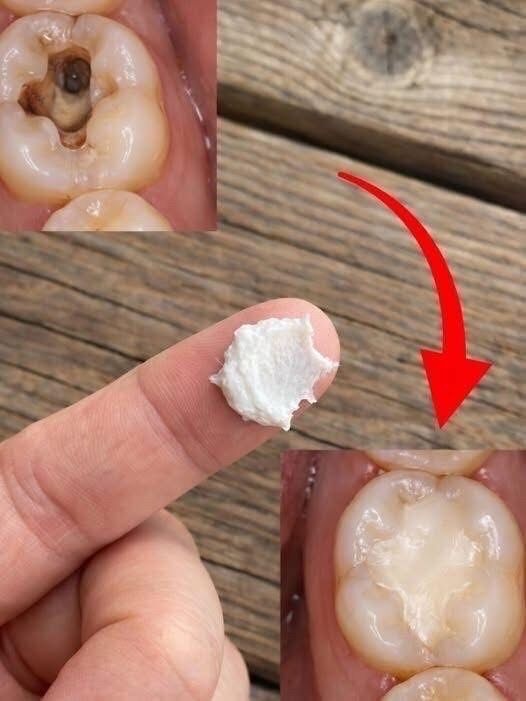
Cavities do not usually appear overnight. They develop quietly, gradually, through a process that often goes unnoticed until sensitivity, pain, or damage has already set in. At the center of this process is a simple imbalance: bacteria in the mouth feed on sugars, produce acid, and slowly weaken tooth enamel. Modern diets, frequent snacking, stress, dry mouth, and rushed oral hygiene all create ideal conditions for this cycle to continue unchecked. Many people assume cavities are inevitable, something that happens no matter how well they brush, or that prevention depends entirely on dental procedures and products. In reality, everyday habits play a powerful role in shaping the environment inside your mouth. Oral health is not just about removing bacteria once or twice a day, but about supporting balance throughout the day—reducing harmful microbes, neutralizing acid, and giving enamel the minerals it needs to stay strong. Natural remedies, when used correctly and consistently, can support this process. They are not replacements for brushing, flossing, fluoride, or dental care, but practical tools that work with your body’s natural defenses to tip the balance toward health instead of decay.
One of the oldest and most talked-about practices is oil pulling, particularly with coconut oil. This method involves swishing oil in the mouth for several minutes, allowing it to mix with saliva and coat the teeth and gums. Coconut oil is especially popular because it contains lauric acid, a compound known for its antibacterial and anti-inflammatory properties. When swished slowly, the oil can help loosen bacteria from tooth surfaces and gum pockets, reducing the overall bacterial load in the mouth. Research has shown that oil pulling can significantly lower levels of cavity-causing bacteria and improve markers of plaque and gingivitis when practiced regularly. It may also improve breath by reducing sulfur-producing microbes. The key is consistency and technique. Oil pulling works best when done calmly, without force, and followed by proper brushing. It should be seen as a supportive ritual rather than a cure, a way to start the day by gently cleaning the mouth before introducing toothpaste and floss.
Another simple but surprisingly effective tool is the salt water rinse. Salt has been used for oral care for centuries because of its ability to create an environment that harmful bacteria struggle to survive in. Acid-loving microbes thrive when the mouth stays acidic for long periods, particularly after sugary or refined carbohydrate meals. A warm salt water rinse helps shift the mouth toward a more alkaline state, soothing irritated gums and supporting healing. It also helps flush out food particles and debris that bacteria feed on. For people dealing with mild gum inflammation, mouth sores, or increased cavity risk, salt water can be a gentle, inexpensive way to restore balance. Used once or twice a day, especially after meals, it supports the mouth’s natural buffering systems without disrupting beneficial bacteria the way harsh antiseptic rinses sometimes do.