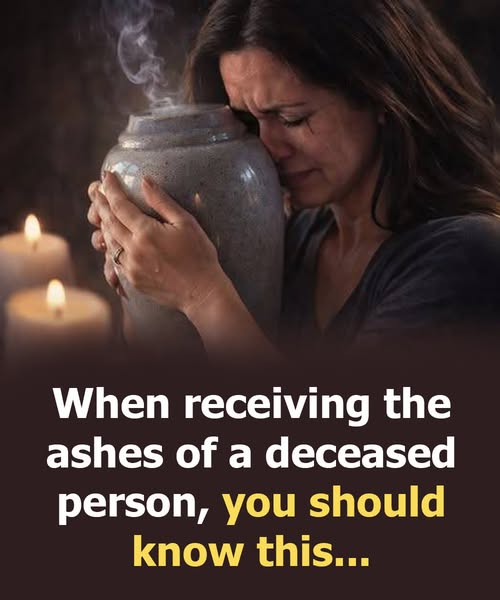
For some people, keeping a loved one’s ashes at home brings comfort, feeling like a gentle way to maintain a connection with someone they are not ready to fully let go of.
For others, the idea can feel uncomfortable or emotionally heavy.
Across the world, views on cremation and human ashes are shaped by religion, culture, family traditions, and personal experiences with grief. What one family sees as an expression of love, another may consider spiritually inappropriate or emotionally difficult.
As cremation becomes more common globally, many families are left with the same question:
Is it acceptable to keep ashes at home?
The answer largely depends on beliefs about death and how the living should relate to those who have passed.
In many Western societies, particularly in the United States and parts of Europe, keeping ashes at home has become increasingly normal. Urns are often placed in living rooms, bedrooms, or memorial spaces alongside photos and candles. For some, the ashes feel less like remains and more like a continued presence. People may speak to the urn, include it in holidays, or keep it as part of daily life.
Modern Western grieving often emphasizes personal choice rather than strict tradition. This has led to practices such as dividing ashes among family members, placing them in jewelry, or turning them into memorial objects and art. However, even within families, opinions can differ—some find comfort in keeping ashes close, while others feel the person should be laid to rest through burial or scattering.
Religious beliefs often shape these perspectives.
In the Catholic Church, cremation is permitted, but ashes are generally expected to be treated with reverence and placed in sacred locations like cemeteries or columbariums. Keeping ashes at home long-term or dividing them among relatives is usually discouraged, as teachings emphasize the dignity and unity of human remains.
In Buddhist traditions, cremation is widely accepted, but practices vary by region. In countries such as Japan, families may keep ashes temporarily at home and honor ancestors through household altars before later placing them in temples or graves. At the same time, Buddhist philosophy often emphasizes impermanence, warning against excessive attachment to physical remains as a way of supporting emotional acceptance and healing.
In Hindu tradition, cremation is closely tied to spiritual transition. Ashes are traditionally scattered in sacred rivers such as the Ganges, symbolizing purification and release. Keeping ashes at home for long periods may be seen by some as delaying the soul’s journey onward.
In Chinese cultural traditions influenced by ancestor reverence and feng shui, ashes may be kept temporarily but are often placed in columbariums or ancestral spaces. Many families believe this helps maintain respect for the deceased while avoiding emotional or spiritual imbalance within the home.
In Mexican traditions such as Día de los Muertos, remembrance of the dead is embraced openly. Families create altars with photos, candles, and offerings to honor loved ones, reflecting a belief in continued emotional connection rather than complete separation.
Indigenous traditions worldwide also hold diverse views, often focusing on returning remains to nature or following specific ceremonies to maintain balance between the living, the dead, and the spiritual world.
Today, many people are no longer strictly bound to tradition. Rising cremation rates, mobility, and personal belief systems have made grief practices more individualized. Some keep ashes for years because letting go feels impossible, while others choose to scatter them quickly because seeing them daily is too painful.
Ultimately, there is no single answer that fits every person or culture. The decision is shaped by emotion, belief, and personal meaning. For some, ashes at home represent love and closeness. For others, they represent grief that needs space to move forward.
At its core, the question is less about ashes themselves and more about how people cope with loss—how they remember, how they heal, and how they continue loving someone who is no longer physically present.