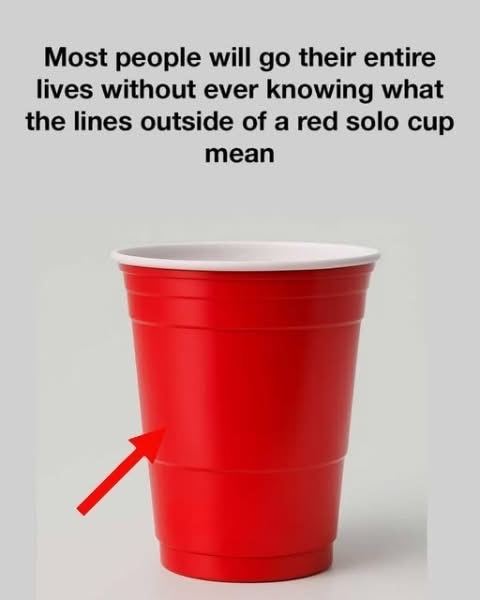
The Solo Cup red cup has become one of the most recognizable items associated with casual get-togethers, backyard parties, outdoor cookouts, and informal social events in the United States. Often seen at barbecues, sporting events, and gatherings, it is commonly thought of as a basic disposable cup made for convenience. However, its design includes several practical details that go beyond its simple appearance, combining durability, usability, and cost-effective production.
First introduced during the growth of disposable drinkware in the mid-20th century, the cup became popular due to its lightweight structure, low cost, and strength compared to earlier paper alternatives. Its bright red color also made it easy to spot in crowded settings, helping it stand out and become instantly recognizable. Over time, it evolved from a simple disposable item into a cultural symbol often associated with social and recreational gatherings.
One subtle but often overlooked feature is the set of raised horizontal rings on the cup’s exterior. These ridges are not just for design—they can also act as rough measurement guides. The lower ridge can indicate a small serving, the middle one suggests a moderate amount, and the upper section is close to a full cup. While not intended for precise measuring, they offer a handy reference for casual use, showing how even simple products can include functional design elements.
Beyond that, the ridged texture also improves grip, makes stacking more stable, and allows the cups to nest efficiently for storage and transport. This helps reduce space, shipping costs, and manufacturing complexity. Because of this balance of practicality and simplicity, the design has remained largely unchanged for many years. The Solo Cup ultimately demonstrates how everyday objects often include subtle engineering choices that enhance convenience without most users ever noticing.