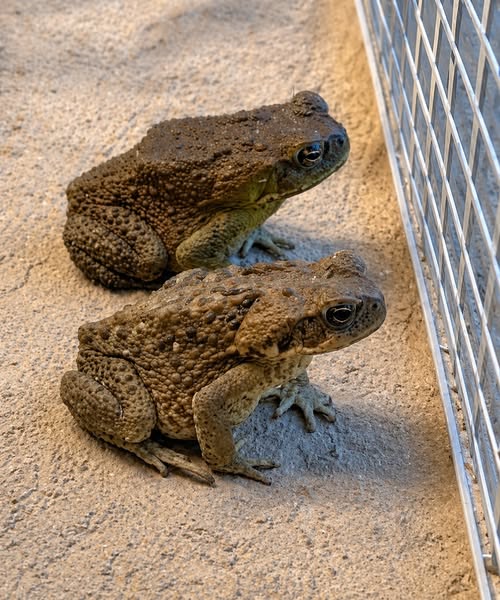
Spotting a toad in your yard, garden, or near your home can be surprising, especially if you do not see wildlife often. In most cases, however, a toad’s appearance is simply connected to its natural habitat and daily search for food, water, and shelter. These amphibians are especially active during damp weather and humid evenings, when moisture levels are higher and insects are easier to find. Gardens, patios, and shaded outdoor areas often provide the ideal conditions they need to thrive.
One of the main reasons toads are welcomed by gardeners is their role in natural pest management. Toads feed on a variety of insects, including mosquitoes, flies, beetles, and other small pests that can affect outdoor spaces. By helping control insect populations naturally, they contribute to a healthier garden environment and reduce the need for chemical treatments. Their quiet presence often benefits plants and supports a more balanced outdoor ecosystem.
A toad’s appearance can also be a sign of favorable environmental conditions. These animals are sensitive to changes in their surroundings and tend to live in areas that provide adequate moisture, shelter, and access to clean water sources. When toads are present, it often suggests that the local habitat supports a variety of living organisms. Their activity serves as a reminder of the interconnected relationship between plants, insects, wildlife, and the environment as a whole
Beyond their ecological value, toads have inspired symbolic meanings in many cultures throughout history. Because they undergo a remarkable transformation from tadpoles to adult amphibians, they are often associated with growth, adaptation, and renewal. Whether viewed through a scientific or cultural lens, their presence encourages greater appreciation for the natural world. Rather than being considered a nuisance, a visiting toad can be seen as a small but meaningful reminder of the diversity and balance that exist all around us.